


USC Basketball: History, Legacy, and the Future of the Trojans on the Court
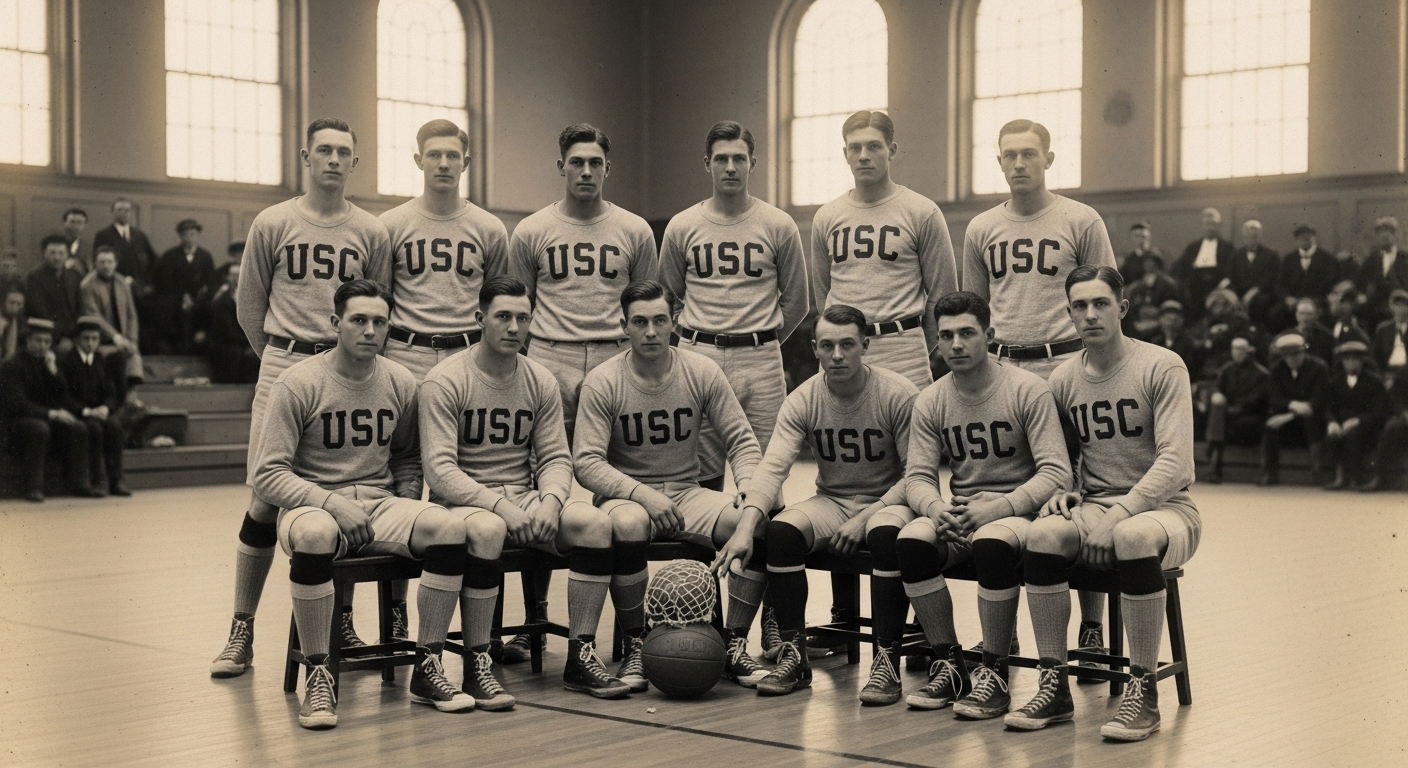
The origins of USC Basketball date back to the early 1900s, when college basketball was still finding its identity nationwide. The Trojans quickly became a competitive force in regional play, laying the groundwork for future success. During these early years, USC focused on building fundamentals, developing coaching leadership, and establishing rivalries that would later define the program.
As basketball gained popularity across the United States, USC embraced the sport and invested in facilities, coaching staff, and player development. These early investments allowed the Trojans to remain competitive as college basketball evolved into a national spectacle.
USC Basketball in the Pac-12 Conference
A defining aspect of USC Basketball is its long-standing participation in the Pac-12 Conference. Competing against schools such as UCLA, Arizona, Oregon, and Stanford has helped elevate the program’s profile. The Pac-12 is known for its athletic diversity and competitive balance, and USC has consistently faced high-level competition that tests both skill and strategy.
Conference play has played a critical role in shaping USC’s identity. The intensity of Pac-12 matchups forces the Trojans to maintain discipline, adaptability, and consistency throughout the season. These challenges have contributed to the program’s growth and national recognition.
Iconic Coaches and Leadership
Leadership has always been a cornerstone of USC Basketball’s success. Over the years, the program has benefited from coaches who emphasized discipline, teamwork, and innovation. These coaches not only focused on winning games but also on developing players as individuals and leaders.
Strong leadership has allowed USC to navigate periods of rebuilding and resurgence. By maintaining a clear vision and long-term strategy, coaches have ensured that the program remains competitive regardless of roster changes or shifting trends in college basketball.
Legendary Players in USC Basketball History
USC Basketball has produced numerous players who left a lasting impact on the game. Many Trojans have gone on to successful professional careers, showcasing the program’s ability to develop elite talent. These players are remembered not only for their individual achievements but also for their contributions to team success.
The legacy of USC players serves as inspiration for future generations. Their stories highlight the importance of dedication, work ethic, and perseverance, reinforcing USC’s reputation as a program that prepares athletes for life beyond college basketball.
USC Basketball and the NBA Connection
One of the most compelling aspects of USC Basketball is its strong connection to the NBA. Over the years, USC alumni have been drafted into the league and have made significant contributions at the professional level. This success has enhanced the program’s visibility and appeal to top recruits.
The NBA pipeline reflects the quality of training, competition, and mentorship available at USC. For aspiring professional players, the Trojans offer an environment that fosters growth and prepares athletes for the demands of the next level.
Home Court Advantage and Facilities
USC Basketball benefits from playing its home games in a vibrant and energetic environment. The program’s home arena provides modern facilities, passionate fans, and a strong sense of tradition. Home court advantage has often played a key role in USC’s success, giving the Trojans confidence and momentum during crucial matchups.
Investments in facilities demonstrate USC’s commitment to excellence. Training centers, practice courts, and sports science resources all contribute to player development and overall performance.
Rivalries That Define USC Basketball
Rivalries are an essential part of college basketball, and USC is no exception. Matchups against UCLA are among the most anticipated games of the season, drawing national attention and intense fan interest. These games go beyond standings, representing pride, history, and regional dominance.
Other conference rivalries also add excitement and meaning to the season. These competitive relationships push USC to perform at its best and help shape the program’s identity year after year.
Recruiting and Player Development
Recruiting is the lifeblood of any successful basketball program, and USC Basketball has consistently attracted high-level talent. The combination of strong academics, elite competition, and exposure in Los Angeles makes USC an attractive destination for recruits.
Once players arrive, the program emphasizes development in all areas of the game. Skill training, strength conditioning, and mental preparation are all integral parts of the USC approach. This holistic development model ensures that players are prepared for both collegiate success and future opportunities.
Playing Style and Strategy
USC Basketball is known for its adaptable playing style. Depending on personnel and competition, the Trojans have demonstrated the ability to play both fast-paced and defensive-oriented basketball. This flexibility allows the team to adjust strategies throughout the season.
Coaching philosophies at USC often emphasize teamwork, ball movement, and defensive discipline. These principles create a balanced approach that can compete against a wide range of opponents, both within the Pac-12 and nationally.
USC Basketball in the NCAA Tournament
Participation in the NCAA Tournament is a major milestone for any college basketball program, and USC has experienced its share of tournament success. March Madness appearances have provided opportunities for national exposure and memorable moments.
Tournament play tests a team’s resilience, preparation, and composure. USC’s performances on this stage have helped solidify its reputation as a program capable of competing under pressure.
Women’s Influence and Program Culture
Although USC Basketball is often discussed in terms of the men’s program, the overall basketball culture at USC includes a strong emphasis on equality, respect, and community. The success of basketball at USC reflects a broader commitment to athletic excellence across the university.
This culture fosters unity among athletes, coaches, and fans, creating an environment where success is shared and celebrated collectively.
Academic Excellence and Athlete Support
USC Basketball places a strong emphasis on academics. Student-athletes are supported through tutoring, academic advising, and resources designed to help them succeed in the classroom. This commitment reflects USC’s belief that education is just as important as athletic achievement.
Balancing academics and athletics is challenging, but USC provides the structure and support necessary for student-athletes to excel in both areas. This balance enhances the overall reputation of the program.
Fan Base and Community Impact
The USC Basketball fan base is passionate and diverse. Fans play a crucial role in creating an electric atmosphere at games and supporting the team through highs and lows. Community engagement initiatives further strengthen the bond between the program and its supporters.
USC Basketball also contributes to the local community through outreach programs, youth clinics, and charitable efforts. These initiatives highlight the program’s commitment to making a positive impact beyond the court.
Media Exposure and National Recognition
Being located in Los Angeles provides USC Basketball with significant media exposure. Games often receive national coverage, increasing the program’s visibility and influence. This exposure benefits players, coaches, and the university as a whole.
National recognition reinforces USC’s status as a premier basketball program and helps attract talent from across the country and around the world.
Challenges and Future Outlook
Like all college basketball programs, USC faces challenges such as roster turnover, competitive balance, and evolving NCAA regulations. However, the program’s strong foundation positions it well for continued success.
Looking ahead, USC Basketball aims to build on its history while embracing innovation. With a focus on recruiting, development, and leadership, the Trojans are poised to remain a prominent force in college basketball.
Conclusion
USC Basketball stands as a program built on tradition, resilience, and continuous growth. From its early beginnings to its presence on the national stage, the Trojans have consistently represented excellence in college basketball. Competing in the Pac-12 Conference has shaped USC into a disciplined and battle-tested team, while strong leadership, elite recruiting, and player development have ensured long-term relevance.
Beyond wins and championships, USC Basketball reflects a balanced commitment to athletics, academics, and community impact. The program’s ability to develop players for professional careers, maintain a passionate fan base, and adapt to the evolving college basketball landscape highlights its lasting value. As USC looks toward the future, its rich history and strong foundation position the Trojans to remain a respected and competitive force in college basketball for years to come.
FAQs
What makes USC Basketball unique compared to other programs?
USC Basketball stands out due to its rich history, strong Pac-12 competition, NBA player development, and location in Los Angeles, which offers unmatched exposure and opportunities.
Has USC Basketball produced successful NBA players?
Yes, USC Basketball has produced numerous NBA players, reflecting the program’s ability to develop elite talent and prepare athletes for professional careers.
How important are rivalries to USC Basketball?
Rivalries, especially against UCLA, are central to USC Basketball’s identity. These games generate excitement, tradition, and national attention.
Does USC Basketball emphasize academics?
Absolutely. USC places a strong emphasis on academic excellence, providing extensive support to ensure student-athletes succeed both on and off the court.
What is the future outlook for USC Basketball?
The future of USC Basketball is promising, with continued investment in recruiting, facilities, and player development aimed at sustained success at the national level.