

Printables Com A Beginner-Friendly Guide to 3D Models and Creative Printing
Introduction
3D printing has changed how people create useful objects at home. Instead of buying every small item, makers can design or print something that fits their needs. Online model libraries make this process much easier for beginners. They provide access to thousands of ideas for hobbies, home projects, tools, decorations, and replacement parts.
Printables com is one name people often search when looking for downloadable 3D designs. The platform connects creators with people who want to make physical objects from digital files. A new user can explore models, read printing details, and learn from other makers. This guide explains how the platform works, what beginners should check, and how to get better results from a home 3D printer.
What Is Printables Com?
Printables com is an online community built around 3D-printing designs. Creators can publish their models and provide useful information about printing them. Visitors can search for projects based on their interests and equipment.
The collection can include practical objects, decorative pieces, toys, organizers, tools, and hobby creations. Some projects are simple enough for beginners, while others require more experience. Model pages can also contain photographs, descriptions, printing suggestions, and examples from other users. This extra information helps people understand what they can expect before starting a print.
Exploring 3D Models
When searching for printables com 3d projects, it helps to think about your actual goal. You might need a phone holder, storage box, desk accessory, toy, or replacement component. Searching with a clear phrase can reduce the number of unrelated results.
Before downloading a model, check its dimensions. Your printer has a limited build area, so a large design may need to be divided into smaller pieces. Also look at the required filament and suggested settings. These details can prevent wasted material and failed prints.
Finding Free Designs
Many beginners search for free printables com projects because they want to practice without spending money. Free designs can be excellent for learning how a printer behaves. They also give users a chance to test different materials and settings.
However, free does not always mean that a design can be used for any purpose. The creator may place conditions on the model. Some files allow personal printing but do not allow commercial sales. Others may require credit when the design is shared or modified.
Always read the license before using a downloaded model for business.
How to Choose a Good Model
A model’s pictures can look impressive, but appearance is only one part of the decision. Beginners should also check comments, user photos, printing instructions, and model dimensions.
A well-documented project can be easier to print than a beautiful design with little information. Look for details about layer height, supports, infill, filament, and recommended temperatures.
User-made photos can be especially helpful. They show how the finished object looks outside the creator’s original images. If several people have successfully printed the same project, that can provide extra confidence.
Creating Your Own Designs
People interested in create printables com projects may eventually want to design their own models. This can be a fun next step after learning the basics.
Simple computer-aided design software can help you build objects from basic shapes. Start with something practical, such as a small box, label, hook, or cable holder. These projects teach important skills like measuring and spacing.
After completing a design, export it into a format supported by your slicing software. The slicer prepares the object for the printer by creating layers and movement instructions. You can then preview the result before starting the physical print.
Making Custom Objects
Customization is one of the biggest advantages of 3D printing. Store-bought products come in fixed sizes, but digital models can sometimes be adjusted.
For example, a storage container can be made wider or taller. A name plate can include a person’s name. A wall holder can be changed to fit a particular object.
Some models are designed with customization in mind. Others may require editing software before changes can be made. Beginners should start with simple adjustments and save the original file before experimenting.
Choosing the Right Filament
Filament is the material used by many desktop 3D printers. PLA is popular with beginners because it is generally easy to work with. PETG can be useful when greater durability is needed. Other materials have different strengths and printing requirements.
The right material depends on the purpose of the object. A decorative model may not need the same strength as a functional tool. Heat exposure, flexibility, outdoor use, and impact should all be considered.
Always follow the recommended material when a creator provides one. Your printer and filament brand may also require small setting changes.
Understanding Printer Settings
Good models still need suitable printer settings. Important options include layer height, infill, print speed, nozzle temperature, and bed temperature.
Layer height affects surface detail and printing time. Lower layers can provide smoother results but may increase the time required. Infill affects the inside structure of an object. More infill can increase strength, although it also uses more material.
Supports may be necessary for designs with large overhangs. Preview the model in your slicer before printing. This simple check can reveal problems before you use filament.
Learning From Failed Prints
Not every print will work perfectly. Failure is a normal part of learning 3D printing. A model might lift from the bed, develop stringing, or have weak layers.
Instead of immediately blaming the model, look at the printing conditions. Check bed cleanliness, leveling, temperature, filament condition, and speed.
Change one setting at a time. This makes it easier to understand what caused the problem. Keeping short notes about successful settings can also save time later.
With experience, troubleshooting becomes much easier.
Community Feedback Is Valuable
One useful part of an online printing community is the experience shared by other makers. A project may have comments from people using different printers and materials.
These experiences can reveal information that is not obvious from the main model description. Someone might mention a better orientation, a useful support setting, or a small design issue.
This is why reading community feedback before printing can be worthwhile. It gives beginners practical information and can reduce unnecessary trial and error.
Understanding Commercial Use
The phrase printables com, commercial & industrial, praha 7 may appear in searches connected with business or location information. It should not be treated as a general permission to sell downloaded designs.
Commercial rights belong to the specific model and its license. If you want to sell physical products made from a digital design, carefully check the creator’s terms.
This is especially important for businesses. A model may be free to download while still restricting commercial production. When the license is unclear, contact the creator before using the design for sales.
Projects for Beginners
A new maker does not need an expensive project to learn useful skills. Small objects can teach almost everything needed for basic printing.
Good starter projects include simple organizers, hooks, clips, signs, holders, and decorative shapes. These designs usually provide quick feedback because they do not require many hours to print.
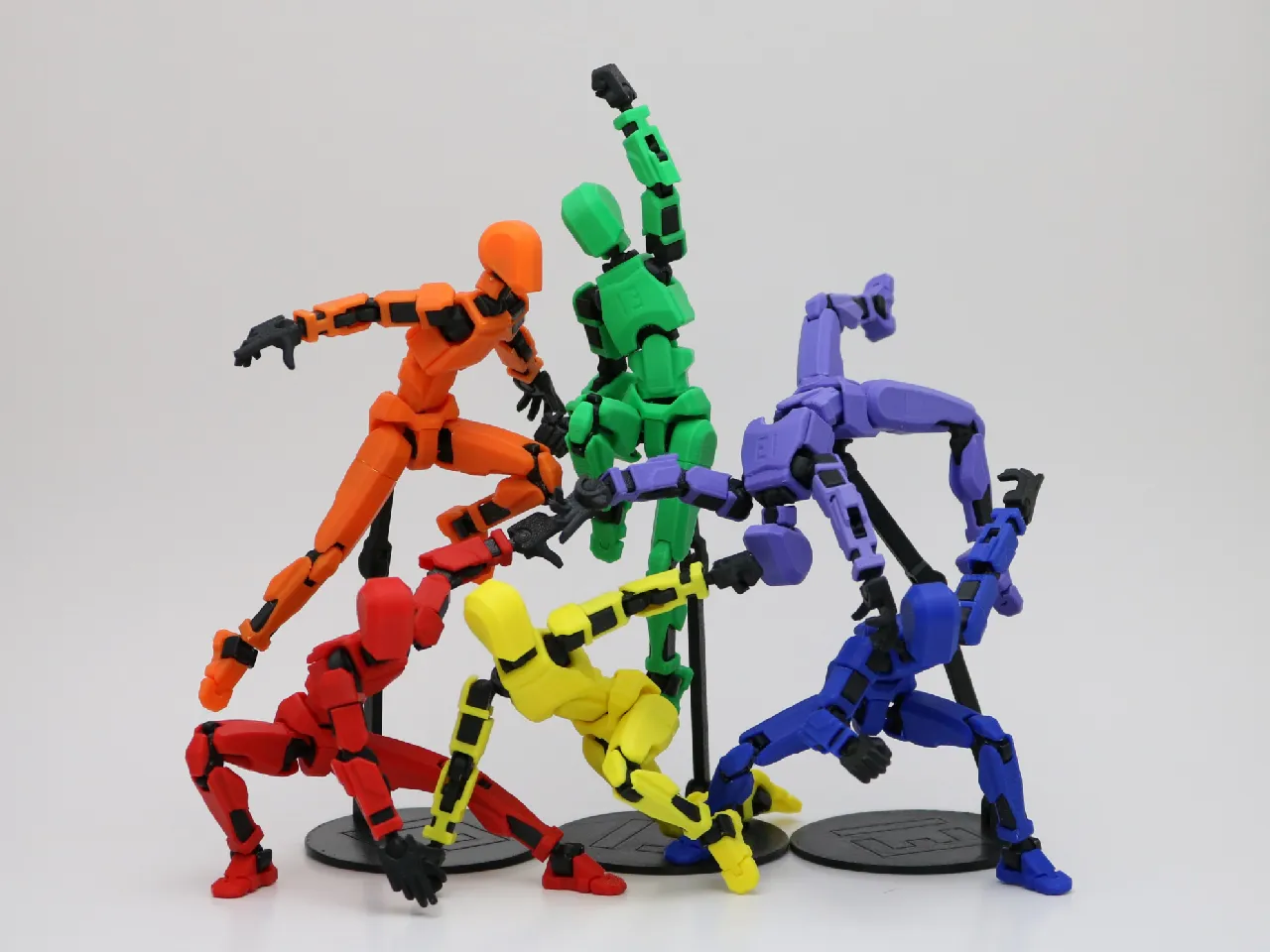
After gaining confidence, you can try articulated objects, multi-part designs, mechanical projects, or customized items. Moving gradually from simple to advanced work makes the learning process less frustrating.
How to Get Better Results
Preparation can make a major difference. First, check the model size and make sure it fits your machine. Next, read the creator’s instructions and select suitable material.
Clean the print surface before starting. Make sure the filament is stored properly and loaded correctly. Then preview the sliced model carefully.
Pay special attention to the first layer. Good bed adhesion provides a strong foundation for the remaining layers.
After finishing, inspect the object. Look at the surface, edges, connections, and overall strength. Small improvements to settings can produce better results on your next attempt.
Quick Biography Table
| Detail | Information |
|---|---|
| Name | Printables.com |
| Main Purpose | Sharing and discovering 3D-printable designs |
| Main Audience | Makers, hobbyists, designers, and beginners |
| Popular Projects | Tools, toys, organizers, decorations, and practical parts |
| Common Materials | PLA, PETG, ASA, and other 3D-printing materials |
| Useful Features | Search, model information, community feedback, and user prints |
| Customization | Available for suitable models |
| Free Content | Many downloadable designs are available |
| Commercial Rights | Depend on the individual model license |
| Best Starting Point | Small and simple projects |
| Main Benefit | Easy access to a large collection of creative ideas |
Final Thoughts
3D printing becomes much easier when you start with realistic projects and learn one skill at a time. Online model libraries can provide inspiration while also helping beginners understand how digital designs become physical objects.
Whether you are searching for a free project, experimenting with printables com 3d models, or learning to create your own designs, careful preparation matters. Check the model details, understand its license, choose suitable material, and learn from every print. With practice, even a beginner can turn simple digital ideas into useful objects.
FAQs
Q1. What can I find on Printables Com?
You can find many types of 3D-printable models, including household items, toys, decorations, tools, organizers, and hobby projects.
Q2. Are free designs available?
Yes. Many designs can be accessed without payment. However, each creator can set different rules for how the files may be used.
Q3. Can beginners use the platform?
Yes. Beginners can start with small models and follow the printing instructions provided by creators.
Q4. Can I customize a downloaded model?
Some designs can be customized. The amount of customization depends on how the original model was created.
Q5. Can I sell printed objects?
Sometimes. You must check the license for the individual design before selling physical products made from it.
Q6. What is the best first 3D-printing project?
Choose a small object with simple geometry and clear instructions. A holder, organizer, clip, or basic decoration can be a good starting point.