

Wicked Meaning: Understanding the Word “Wicked”
The word Wicked Meaning is used very often in English. People hear it in movies, books, and everyday conversations. But what does wicked really mean? This article will explain the meaning of the word, its history, different uses, and examples. By the end, you will fully understand what wicked means and how to use it correctly.
The Basic Meaning of Wicked
The most common meaning of wicked is “evil” or “bad.” When someone is called wicked, it usually means they do bad things. For example, a wicked witch in a story is a witch who does evil things to others. This meaning is used in stories, fairy tales, and even in religious texts.
Wicked as Slang
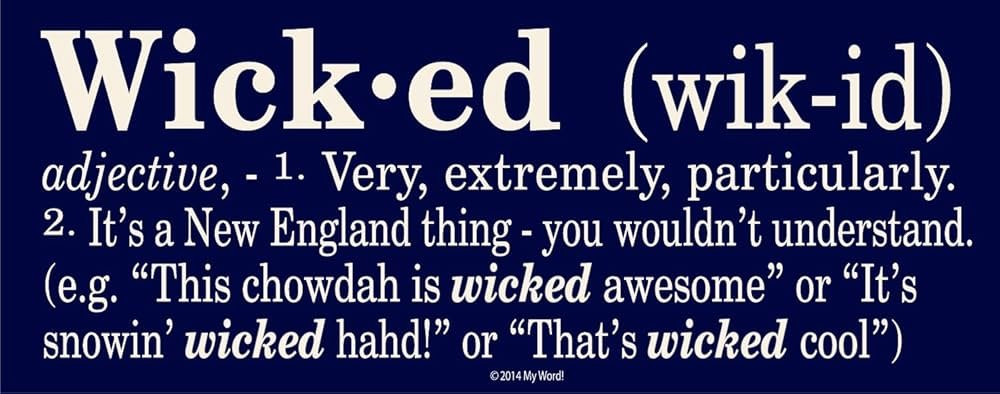
In modern English, especially in informal speech, wicked can also mean “great” or “awesome.” This is a completely different meaning from the original. For example, someone might say, “That skateboard trick was wicked!” Here, it does not mean evil; it means very impressive or cool. This slang usage is common in places like Boston, New England, and the UK.
Historical Meaning of Wicked
The word wicked comes from Old English wicca, which means “sorcerer” or “magician.” Over time, it came to mean “morally bad” or “evil.” In the past, people often used the word to describe someone who broke rules or went against what was considered right. It was a very serious word and not used lightly.
Wicked in Literature
Many authors use the word wicked to describe characters or actions. In fairy tales like “Hansel and Gretel” or “Snow White,” the villains are often called wicked. The word gives a strong sense of danger or evil. In modern literature, it can also appear as slang to describe exciting or impressive things, especially in young adult novels and contemporary fiction.
Wicked in Movies and TV Shows
In movies and TV shows, wicked is used in both ways. For example, the famous musical and movie Wicked is about the story of a green-skinned witch. Here, wicked plays on its meaning of evil but also questions whether the witch is truly bad. In other shows, a character might say, “That car is wicked fast!” meaning it is very impressive or cool. Context is very important when understanding the word.
Wicked in Everyday Speech
People use wicked in daily conversations in different ways. In its original sense, it can describe someone’s actions, like “It was wicked of him to lie.” But in modern slang, it can show excitement: “That party was wicked!” Depending on the situation, the meaning changes. Understanding the tone and context helps to know which meaning is intended.
Wicked in Music
Many songs use the word wicked either to mean evil or amazing. Musicians like to use it because it is a strong, short word that creates emotion. In hip-hop and pop culture, saying something is wicked often means it is very good or cool. In classical or theatrical songs, it might keep its older meaning of “evil” to tell a story or describe a character.
Wicked and Morality
When used in its traditional sense, wicked is connected to morality. A wicked act is usually against what is considered good or right. People often think of crimes, lies, or harmful behavior as wicked. This meaning reminds us that the word is not always casual; it can carry a serious moral judgment.
Wicked as an Adjective
Wicked is an adjective. This means it is used to describe nouns. For example, “The wicked storm destroyed many houses.” In this sentence, wicked describes how bad the storm was. As a slang word, it also describes things positively: “She did a wicked job on her painting.” Here, it describes how impressive the job was.
Wicked in Regional English
Some regions use wicked more often as slang than others. In Boston and New England, people use it to mean very or extremely. For example, “It’s wicked cold today” means it is very cold. In other English-speaking regions, like the UK or Australia, wicked can also mean excellent or fun. These regional differences make English more interesting and sometimes confusing for learners.
How to Use Wicked Correctly
When using wicked, you should consider your audience. If you are speaking to children or reading a story, wicked usually means bad or evil. If you are speaking to friends casually, especially in regions where slang is common, wicked can mean very or awesome. Remember, context is key to using the word correctly.
Examples of Wicked
Here are some examples to help understand wicked:
- The wicked queen wanted to harm Snow White. (evil)
- That magician performed a wicked trick! (impressive)
- The hurricane brought wicked winds. (very strong)
- He is a wicked dancer! (very good)
These examples show how flexible the word is. It can describe people, actions, or things, and its meaning changes depending on the context.
Common Mistakes with Wicked
A common mistake is thinking wicked always means bad. In modern slang, it often means very good. Another mistake is using it in formal writing. Because it is casual and sometimes regional, wicked is not recommended in academic or professional writing unless it fits the style or tone.
Learning Wicked Through Media
One of the best ways to learn the different meanings of wicked is by watching movies, reading books, and listening to songs. Seeing how characters use the word in context helps learners understand when it means evil and when it means impressive or cool. Media exposure makes the word easier to understand and use correctly in conversation.
Wicked in Idioms
Wicked also appears in idioms. For example, “wicked problem” refers to a very difficult problem. This does not mean evil but very challenging. Another idiom is “wicked sense of humor,” which can mean someone’s humor is sharp or a little mischievous. Idioms show that wicked can have creative meanings beyond the simple definitions.
How Wicked Has Changed Over Time
The meaning of wicked has evolved. Originally, it was only negative, meaning evil. Today, people use it both negatively and positively. This shows how language changes over time. A word that once was serious and scary can now also be fun and casual. Knowing this helps English learners use the word naturally in conversation.
Why Understanding Wicked is Important
Understanding wicked is important for anyone learning English because it is common in books, movies, songs, and conversations. Knowing the different meanings and contexts will prevent confusion. Using the word correctly can also make your English sound more natural and fluent.
Conclusion
The word wicked is interesting because it has two main meanings: evil and impressive. Its use depends on context, tone, and region. From old English stories to modern slang, wicked has traveled a long way. By understanding its history, examples, and uses, you can confidently use wicked in your conversations, writing, and reading.
FAQs About Wicked Meaning
What does wicked mean in slang?
In slang, wicked often means “awesome,” “cool,” or “very.” For example, “That concert was wicked!”
Is wicked always negative?
No, wicked can mean negative (evil) or positive (impressive) depending on context. Traditionally, it meant evil.
Where is wicked used as slang?
Wicked as slang is common in Boston, New England, the UK, and Australia. People use it to mean very or excellent.