

What to Feed a Baby Bird: A Complete Beginner’s Guide
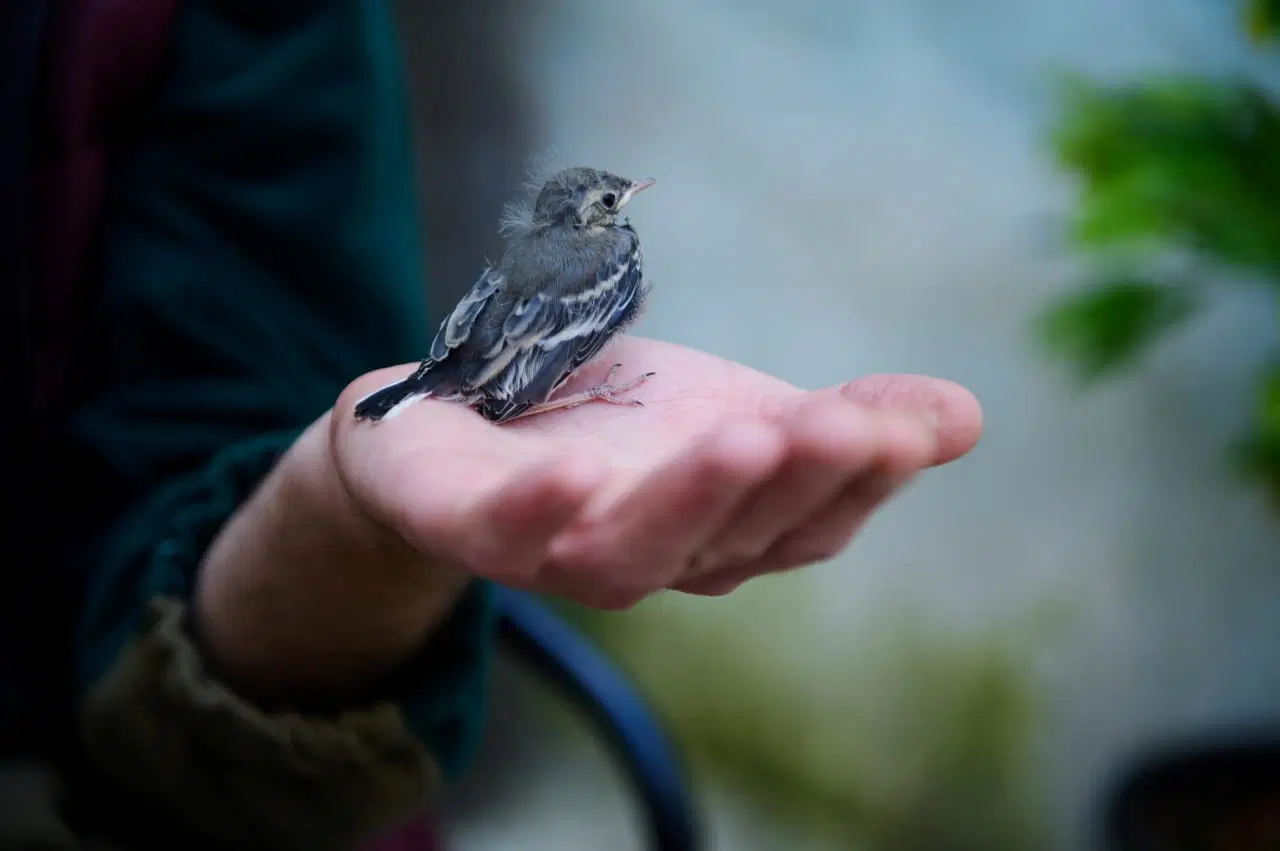
When you find a baby bird, your first thought is usually: What should I feed it? It’s a kind and caring instinct. But baby birds have very special needs. Their diet must be soft, protein-rich, and given at the right time. Feeding the wrong food can hurt them. So, it’s important to know exactly what to feed a baby bird and how to do it safely.
In this guide, you will learn the best foods, feeding techniques, and how to help baby birds survive until they are strong enough to fly. I’ll also share real-life tips from wildlife rescues and clear steps for beginners.
Understanding Baby Bird Diet Needs
Baby birds grow fast. Their bodies need lots of protein, moisture, and warmth. Most baby birds eat insects, worms, and small insects in the wild. Their diet is very different from adult birds. Feeding them bread or milk can harm them.
When you ask what to feed a baby bird, remember that their food must be soft and easy to swallow. You should always focus on protein and hydration. This helps their muscles, bones, and feathers grow properly.
First Step: Check If the Bird Really Needs Help
Before feeding, make sure the baby bird is truly in danger. Some baby birds leave the nest before they can fly. They might be learning to walk and jump. If the bird is fluffy and has feathers, it might not need help.
If the baby bird is cold, injured, or alone for a long time, it needs help. If it is very small, weak, or has no feathers, it needs urgent care.
Quick rule:
- Featherless or weak birds = urgent help needed
- Fluffy birds with wings = likely learning to fly
Best Foods for Baby Birds (Safe and Natural)
When you’re deciding what to feed a baby bird, the safest options are:
Insects and Worms
- Mealworms
- Earthworms
- Small insects
These foods are closest to what baby birds eat in nature. They provide high protein and energy.
Soft Boiled Eggs
Eggs are a great source of protein. Mash the egg into small pieces and mix with warm water.
Baby Bird Formula
This is the safest and easiest option. You can find it at pet stores or online. It is designed specifically for baby birds.
Foods to Avoid (Dangerous for Baby Birds)
Many common foods can hurt a baby bird. Avoid these:
Bread
Milk or dairy
Rice
Chocolate
Salt
Sugary foods
These foods can cause digestive problems, dehydration, and even death.
How to Feed a Baby Bird Safely (Step-by-Step)
Feeding a baby bird is not like feeding a pet. You must be careful.
Step 1: Warm the food
Baby birds need warm food, not cold.
Step 2: Use the right tool
Use a small syringe, tweezers, or a soft dropper.
Step 3: Feed small amounts
Give small bites, not big pieces.
Step 4: Avoid forcing food
If the bird refuses, stop. Forcing can cause choking.
Feeding Schedule for Baby Birds
Baby birds need to eat often. They can eat every 20–30 minutes during the day. As they grow, you can increase the time between feedings.
Example schedule:
- Newborn: every 15–20 minutes
- 2 weeks old: every 30–45 minutes
- 3 weeks old: every 1–2 hours
This schedule helps them grow strong and healthy.
How to Tell if a Baby Bird Is Hungry
Baby birds show signs when they are hungry:
- They open their beak wide
- They make loud chirping sounds
- They look restless and weak
If the bird is not active or keeps closing its eyes, it may be sick or injured. In that case, contact a wildlife expert.
What to Do if the Bird Is Injured
If the baby bird is injured, don’t try to fix it yourself. Keep it warm and quiet.
Contact a local wildlife rescue or vet immediately. Injured birds need professional care.
How to Keep a Baby Bird Warm
Baby birds can’t control their body temperature. Keep them warm using:
- A small box with soft cloth
- A heating pad on low
- A warm water bottle
When to Contact a Wildlife Rescue
If you’re unsure, it’s always safer to call a wildlife rescue. You should contact them if:
- The bird is cold or weak
- The bird is injured
- The bird is alone for hours
- The bird is featherless and cannot survive
Wildlife experts know the best feeding and care methods.
How to Release the Baby Bird Safely
Once the bird is strong, it needs to go back to nature. Follow these steps:
- Ensure it can fly and eat on its own
- Release near where you found it
- Place it in a safe, quiet area
- Watch from a distance
Do not release the bird too early. It must be strong enough to survive.
Real-Life Example: My Rescue Story
I once found a tiny sparrow that fell from a nest. It was cold and hungry. I warmed it up and fed it a small amount of soft boiled egg. After a few hours, it became active and chirpy.
I contacted a local wildlife rescue for help. They took the bird and released it after a few days. This showed me how important proper feeding and professional help are.
Conclusion
Knowing what to feed a baby bird can save its life. The key is to give high-protein foods, keep it warm, and avoid dangerous foods. If you are not sure, always contact a wildlife expert. Baby birds are fragile, but with the right care, they can grow strong and return to the wild.
If you found a baby bird today, follow these steps carefully. And remember, your kindness can make a huge difference.
FAQs
1. What is the best food for a baby bird?
The best food is high-protein like insects, worms, or a baby bird formula.
2. Can I feed a baby bird bread?
No. Bread is not nutritious and can harm the bird.
3. How often should I feed a baby bird?
Newborns need feeding every 20–30 minutes during the day.
4. What if the bird refuses to eat?
Stop feeding and contact a wildlife rescue. Forcing food can cause choking.
5. Can I feed a baby bird milk?
No. Milk can cause digestive issues and should be avoided.
6. When should I call a wildlife expert?
Call if the bird is injured, cold, alone, or weak.