

Archery Target – A Complete Guide for Accuracy, Skill, and Precision
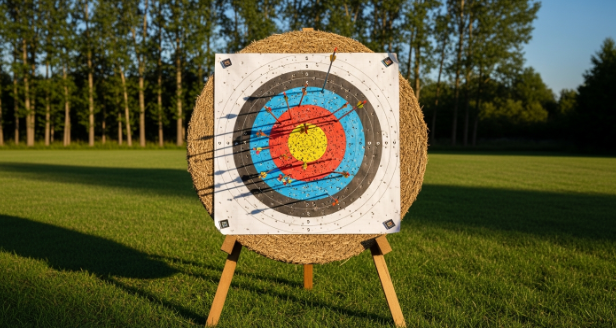
Archery target practice shapes skill, sharpens focus, and builds perfect form. This timeless sport blends discipline with enjoyment, and mastery begins with choosing the right archery target. Because every archer, beginner or expert, needs proper guidance, this detailed article covers everything you must know – target types, material, sizing, setup, shooting techniques, and improvement tips. Read step-by-step, grow confident, and shoot with power.
What Is an Archery Target?
An archery target refers to the surface or object designed for shooting arrows. Although it looks simple, its construction greatly influences training quality. Beginners often start with lightweight foam or straw targets, while professionals prefer layered, block, or 3D animal models. Every target improves precision when selected correctly.
Importance of Choosing the Right Archery Target
Choosing the right archery target enhances accuracy and prevents arrow damage. Comfort in shooting increases when the target matches bow strength, shooting distance, and skill level. A durable target also reduces replacement cost. With correct density, arrows stick properly rather than bouncing back.
Main Types of Archery Targets
Foam Archery Targets
Foam archery targets suit beginners and youth shooters. These targets handle practice well, allow soft impact, and remain portable. Lightweight structure makes them easy to move, so archers transport them outdoors and indoors. They often last long when maintained properly.
Layered Block Archery Target
A layered archery target withstands heavy draw weight bows and high-speed arrows. Material density varies across layers, allowing smooth penetration while protecting arrows. Many professionals use block targets for consistent training.
Bag Archery Targets
Bag targets work best for field tips and repeated daily practice. Their fabric exterior holds synthetic fibers, enabling thousands of shots without damage. However, broadheads may tear the surface more quickly, so bag targets suit accuracy rather than hunting simulation.
3D Archery Targets
A 3D archery target replicates real-life animal shapes. Hunters choose this target to simulate wildlife shooting angles. Each shot teaches ethical placement and distance judgment. Training with 3D models builds confidence in outdoor hunting situations.
Paper Archery Targets
Paper targets stuck onto stands suit competitions and scoring training. They offer visual rings, allowing archers to measure grouping accuracy. Because they tear easily, users pair them with backing materials for repeated shooting.
What Material Makes the Best Archery Target
Material selection influences target lifespan, penetration depth, and ease of arrow removal. Foam absorbs impact smoothly. Compressed hay works well for traditional arrows. Rubber and layered foam offer premium durability. Each material behaves differently, so archers decide based on bow strength and practice frequency.
Ideal Size for an Archery Target
Target size affects accuracy training. Larger targets help beginners hit safely, while advanced archers prefer smaller faces for precision growth. Standard sizes range between 40cm and 80cm, though hunters may practice with lifelike 3D models. Distance increases when confidence grows naturally.
How to Set Up an Archery Target Safely
Safety remains the first priority in archery. Position the target against a solid background such as thick bushes or a safe backstop. Ensure no one walks behind the shooting path. Measure distance before releasing arrows and avoid rapid firing until posture stabilizes.
Best Shooting Distance for Archery Target Practice
Distance selection depends on experience. Beginners start close, often around 5 to 10 yards. Skill increases with repeated sessions, so shooting distance expands gradually. Professionals challenge themselves at extended ranges for better arrow grouping.
Techniques to Improve Accuracy on an Archery Target
Grip stability, anchor point discipline, and breathing patterns improve target accuracy. Focus on stance first, then align sight pin with the center. Smooth release eliminates arrow wobble. Training consistently develops muscle memory and target confidence.
Maintaining Your Archery Target for Longevity
Proper maintenance ensures long-lasting performance. Store the archery target away from moisture and direct sunlight. Rotate impact areas to prevent deep wear. Repair holes early to maintain arrow holding quality. Cleaning reduces material breakdown too.
Understanding Scoring on Archery Targets
Scoring rings measure precision skill. The center circle carries highest points, while outer rings reduce score gradually. Archers track every session, compare results, and analyze arrow grouping for improvement. A consistent central pattern marks progress clearly.
Indoor vs Outdoor Archery Targets
Indoor archery targets require softer material since wind resistance remains absent. Outdoor conditions demand heavier construction to withstand weather and powerful draw weight bows. Archers often own separate targets for both environments for best performance.
Benefits of Regular Archery Target Practice
Practicing with an archery target improves aim, mental focus, posture strength, and hand-eye coordination. This sport also reduces stress and builds confidence through repeated progression. Shooting regularly strengthens muscle control and stabilizes breathing rhythm.
How Archery Targets Support Competition Training
Competitive archers rely on professional scoring targets. Targets reflect accuracy through visual rings, allowing structured scoring sessions. As competition preparation continues, archers develop routine discipline, shot endurance, and consistency through measured practice.
Choosing the Best Archery Target for Youth and Beginners
Kids and beginners need lightweight foam or bag targets to build early skill without frustration. Easy arrow removal encourages repeated shooting without fatigue. Gradual target progression increases confidence and reduces injury risk for new archers.
Advanced Archery Target Features Professionals Use
High-end targets include weather-proof coating, self-healing foam, and multi-zone core construction. These features extend lifespan and handle broadhead damage effectively. Professionals often pair targets with range markers and sighting systems for elite training.
Conclusion
An archery target shapes progress, boosts accuracy, and strengthens skill for every level of archer. Because the right target builds confidence, choosing wisely creates smoother practice, cleaner shots, and long-term enjoyment. Start your training journey now, test different target types, improve every day, and aim to hit the center consistently.
FAQs
1. Which archery target is best for beginners?
Foam and bag targets work best because they remain lightweight, safe, and beginner-friendly.
2. How long does an archery target last?
Lifespan varies with material and usage. High-density foam or layered blocks often last longer with care.
3. Can I use broadheads on bag targets?
Broadheads may tear bag fabric faster, so heavy-foam or 3D targets suit them better.
4. Which size archery target should I choose?
Larger targets support beginners, while smaller targets help experienced archers improve accuracy.
5. How do I stop arrows from passing through a target?
Select thicker material or layered construction. Increased density improves stopping power and arrow safety.